
Regenerative agriculture course
On one of the beds in the field, I see some loose potatoes and give them to our trainer. “Oh, thank you, they'll be fine here,” he says, and he plants the potatoes in another bed, between some other crops. I automatically think that he is planting them there in order to harvest potatoes later, but that's not the case. Our trainer explains that potatoes are very good at breaking up and aerating compacted soil. This allows more oxygen into the soil and improves moisture retention, which helps the other crops to develop more roots and absorb more nutrients. The new potatoes are left to decompose in the soil, which increases the biodiversity in the soil and also provides more nutrients for the other crops.
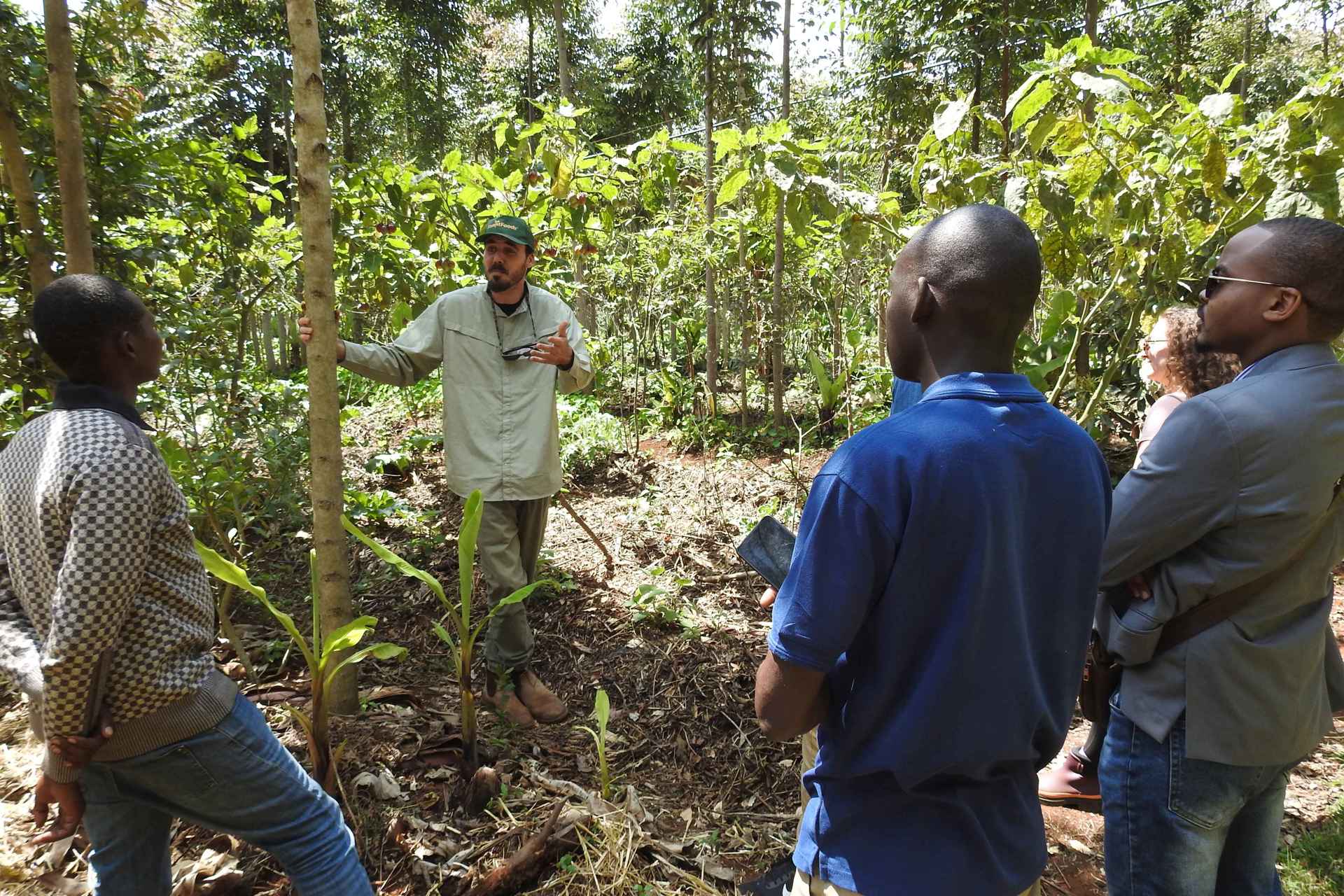
I learned this in September during a course in regenerative agriculture in Kenya, organized by ForestFoods. The potatoes are a good illustration of the idea behind this form of agriculture. Regenerative agriculture is based on sustainable ecological principles. These include:
- Align with the local ecosystem in your area (focus on crop diversity, work with horizontal different layers and make optimal use of sunlight).
- Always keep the soil covered (this helps retain moisture, prevents nutrients from being washed away by rain and gives weeds no chance to grow).
- Ensure a constant supply of variable biomass (leaves, stems, wood, compost) as food for soil life (this results in greater biodiversity in the soil, fewer pests and more nutrients for the crops).
- Utilize the characteristic properties of plants in the system (e.g., fast-growing plants provide shade for other crops and can be pruned regularly for the addition of biomass to the soil).
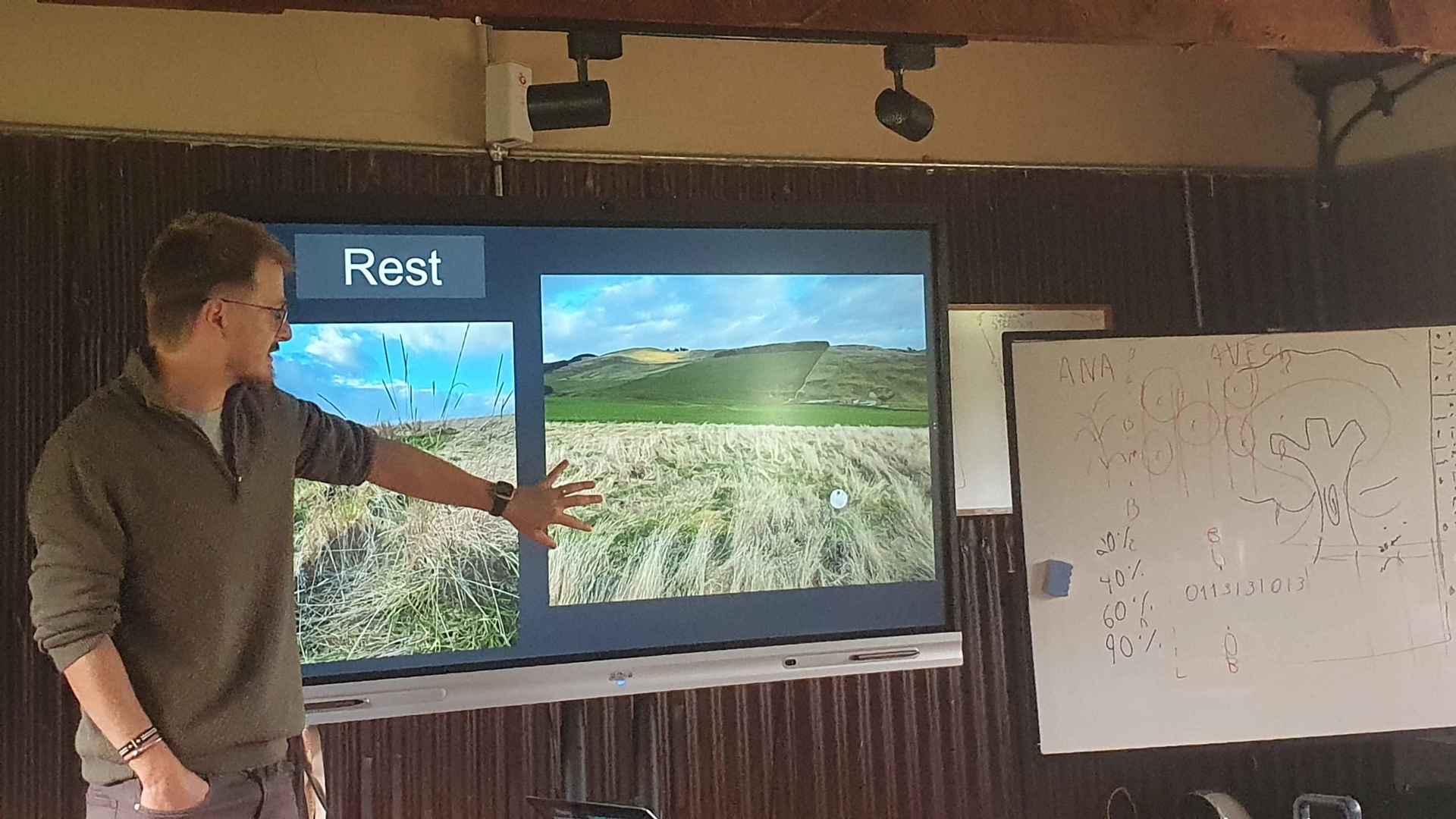
This knowledge about regenerative agriculture is now part of the advice I can give to the partners we work with at SIL. I am also going to write a module about regenerative agriculture for the Faith and Farming method.
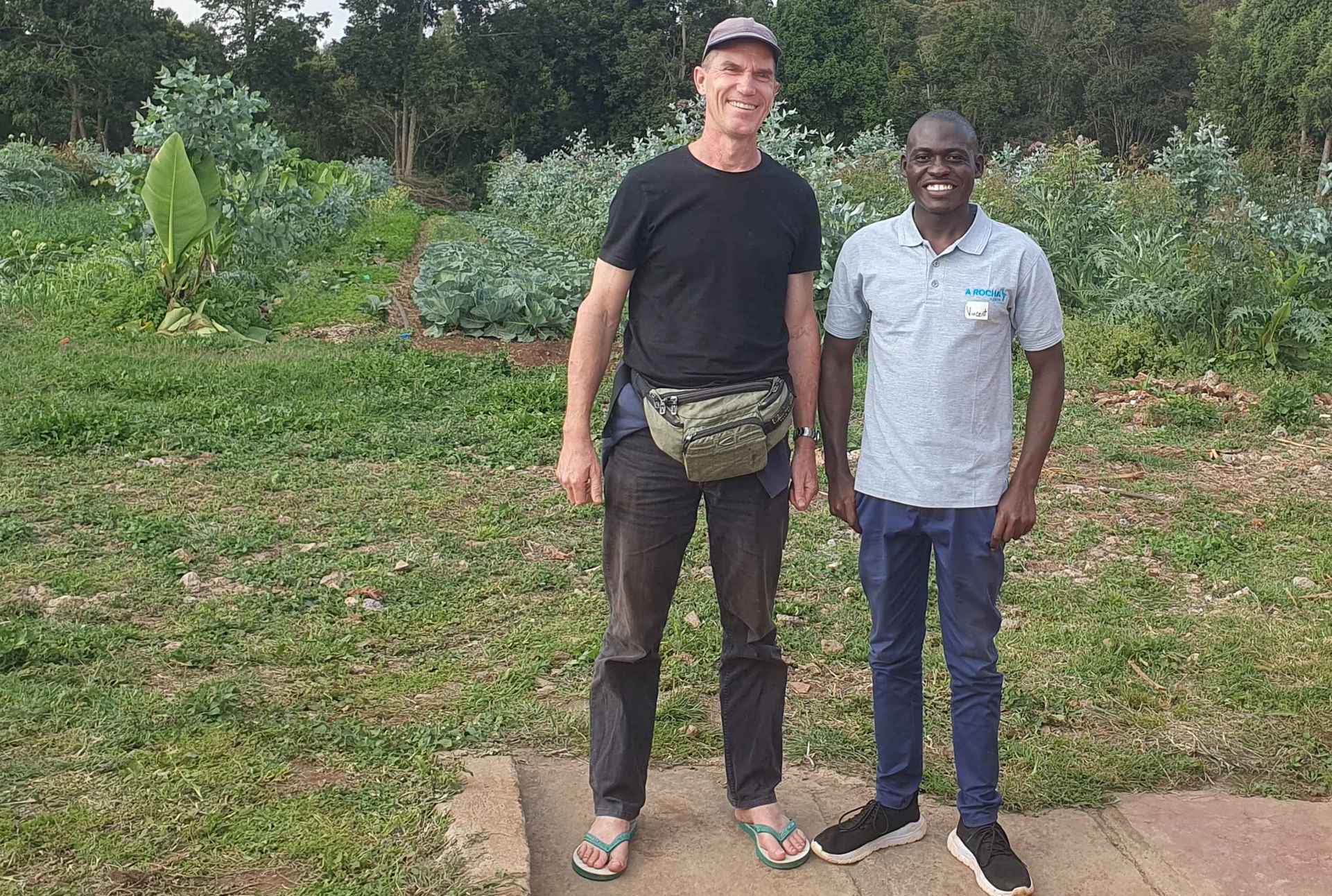
It was nice to get to know Vincent Onono from A Rocha Kenya during the course. A Rocha Kenya works with the Giriama people to protect the Dakatcha Reserve, and Vincent helps the people with sustainable farming methods based on biblical principles. He took the course to learn even more sustainable farming methods.
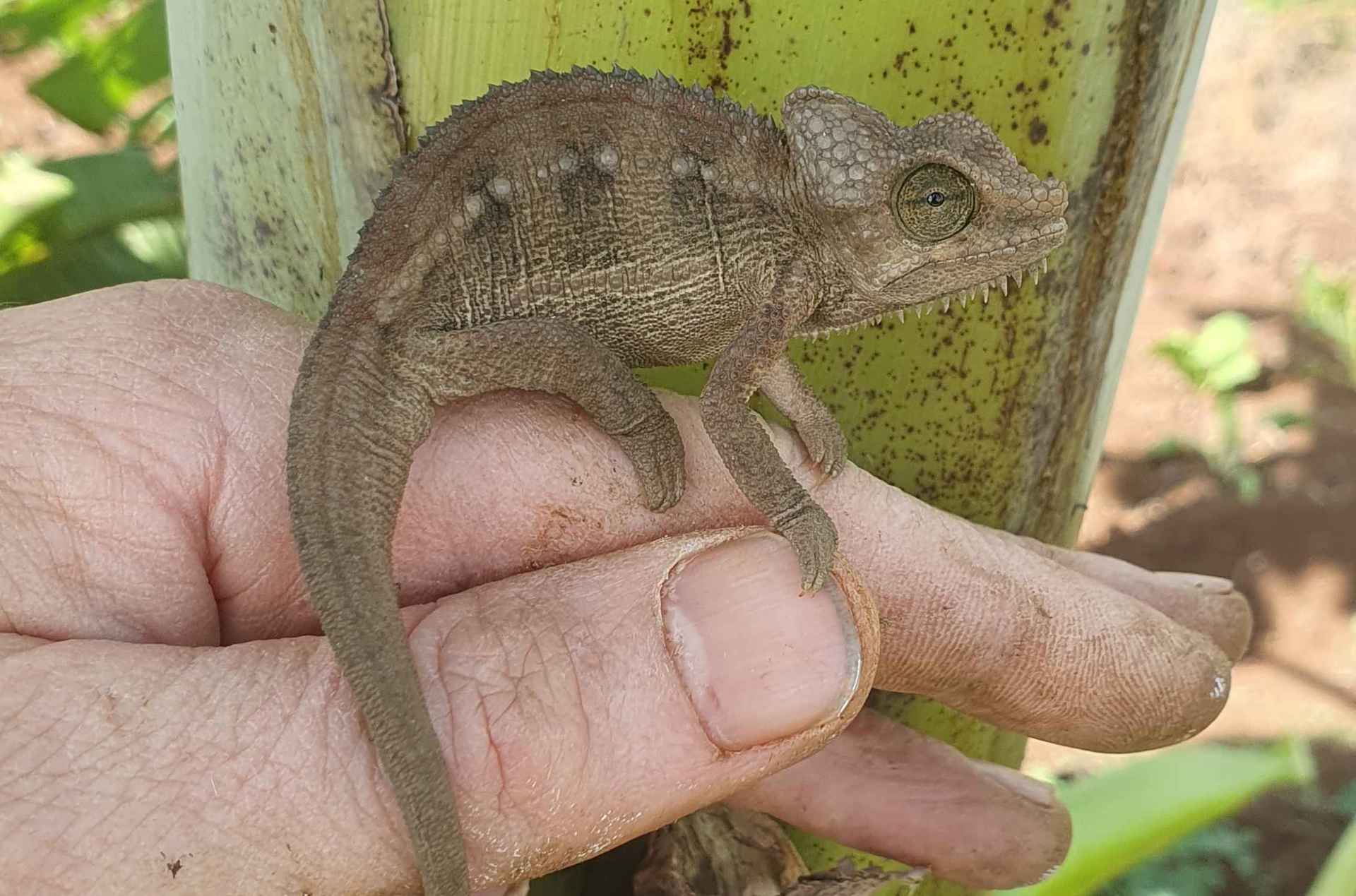
This chameleon has found a home in the food forest
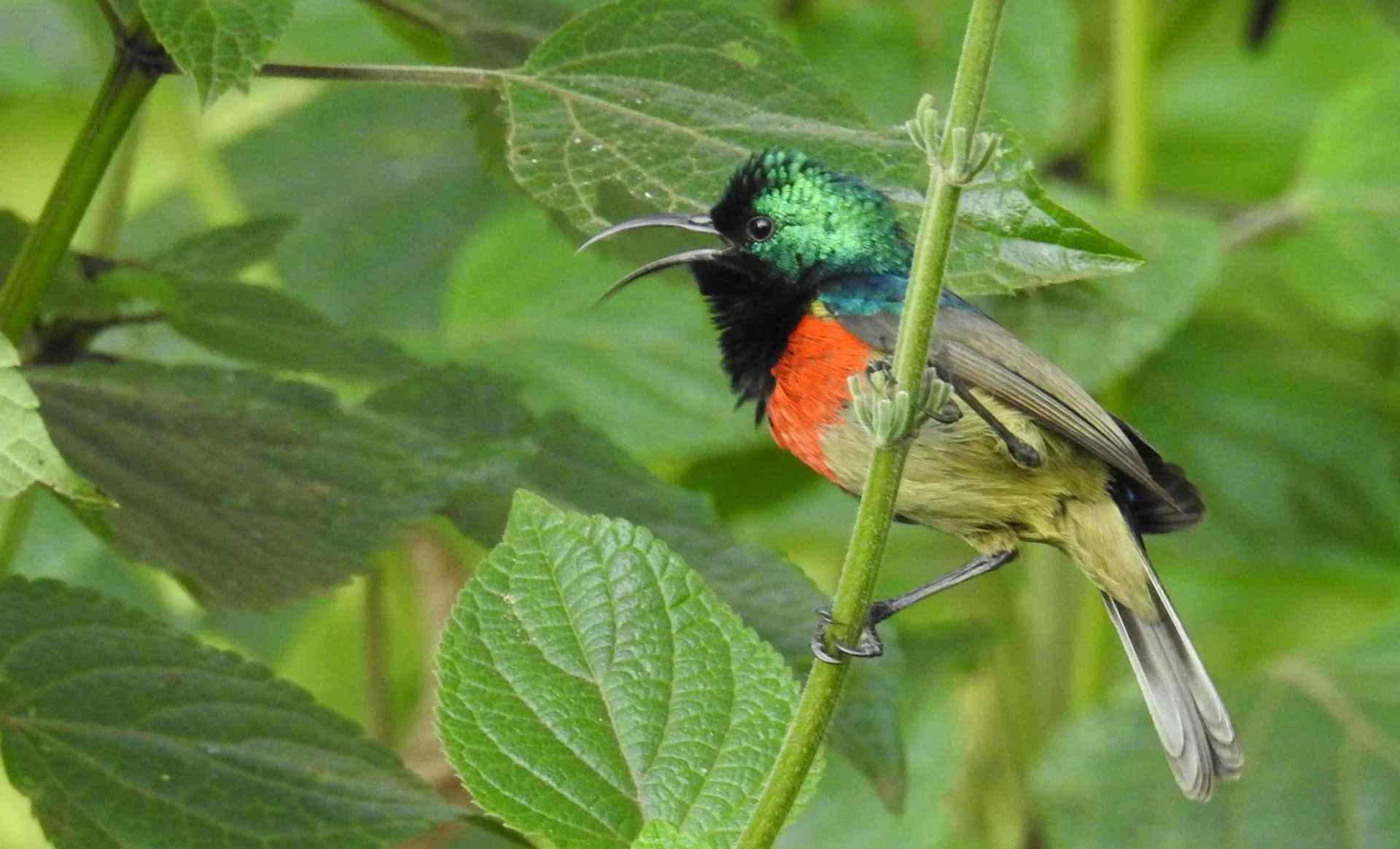
The Olive-bellied sunbird (Cinnyris chloropygius), a common bird in Kenya