
Traditional ecological knowledge
“I've never participated in such an exciting workshop as this one,” says one of the young Girimia men. He has just participated in a two-week workshop to gather traditional ecological knowledge in the Giriama language.
For the past two years, I've been involved as a consultant in the Giriama Ethnoecology Project in Kenya, a collaboration between SIL LEAD Global and A Rocha Kenya (ARK). ARK manages a beautiful nature reserve (Dakatcha Woodland) north of the city of Mombasa. Human intervention is threatening a number of unique plant and animal species in this nature reserve with extinction, and ARK is trying to prevent that.
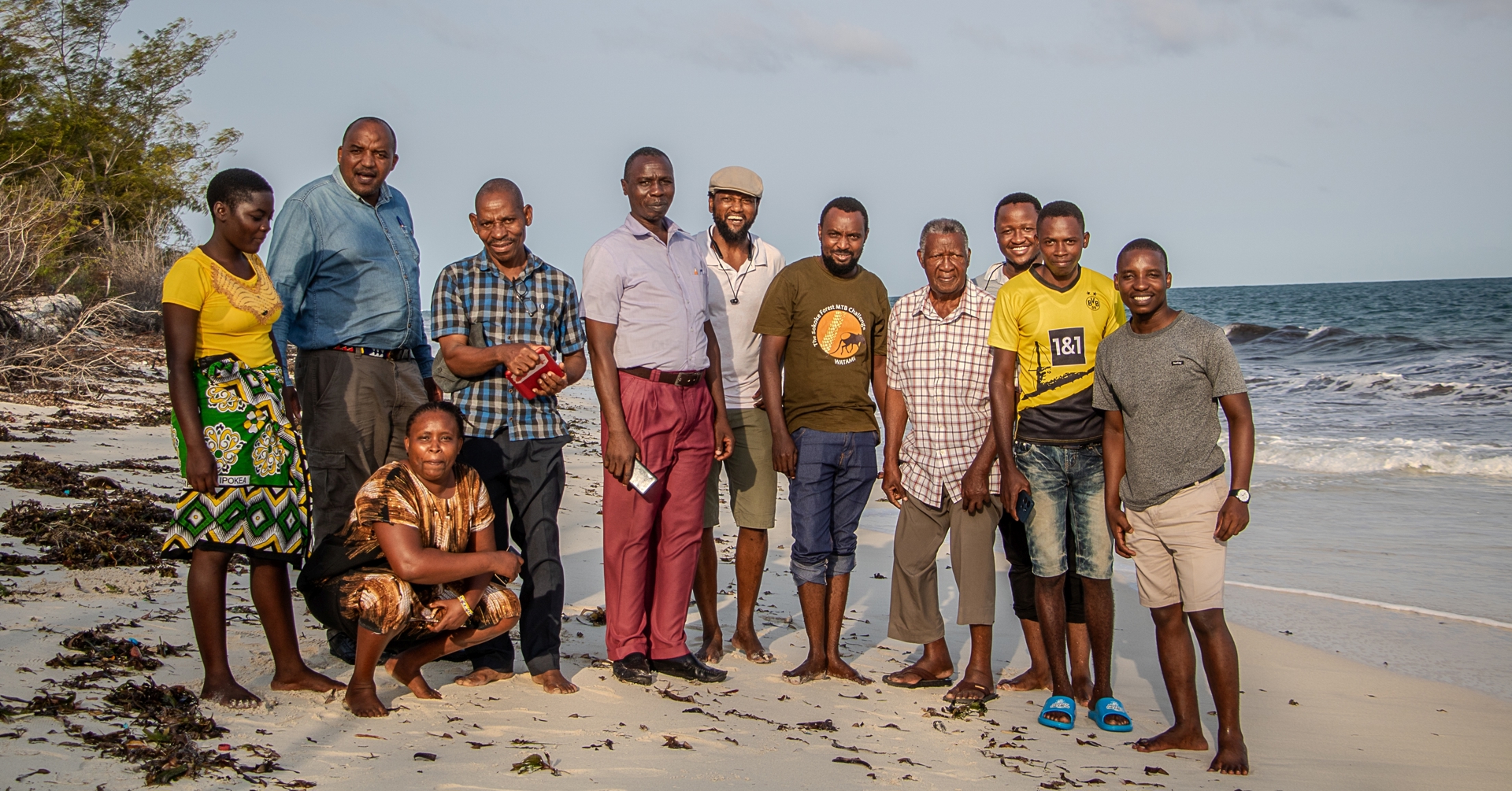
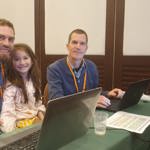
Some of the Giriama people who participated in the workshop
The Giriama language is spoken in the Dakatcha area, there are Giriama churches, and they also have their own Bible translation (through Wycliffe). For years, ARK has been doing environmental education in the Giriama schools and churches around Dakatcha, but they did not yet have any materials in the Giriama language that they could use for this purpose.
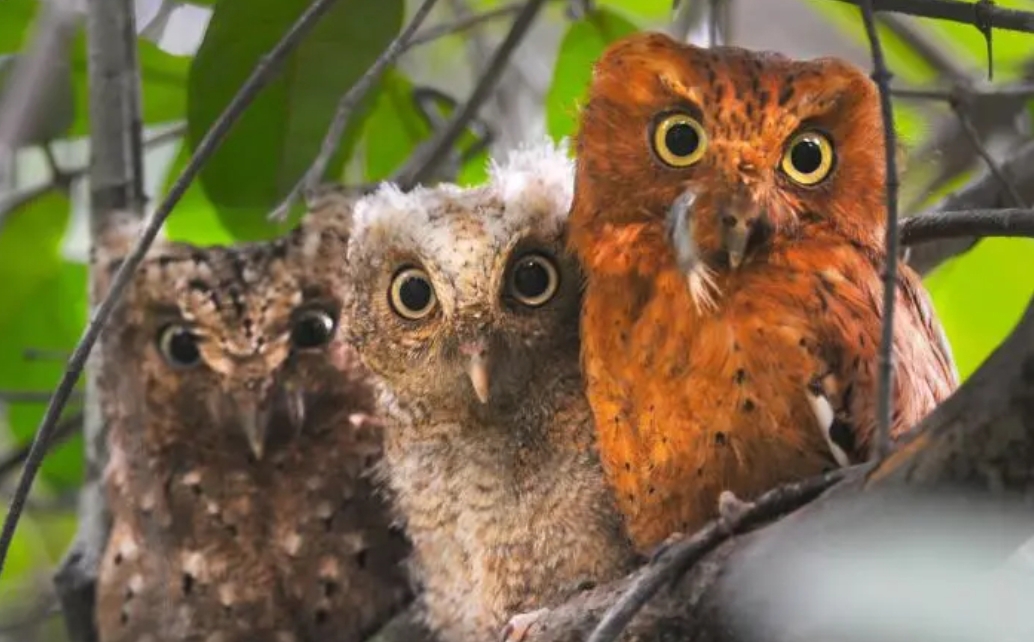
ARK protects Africa's smallest owl (Otus ireneae) in Dakatcha
In collaboration with SIL Kenya and SIL LEAD Global, ARK organized a Rapid Word Collection workshop, during which more than 1,700 Giriama words and stories related to ecology were collected.
And better yet, it's inspired the younger generation to take pride in their identity and their traditional ecological knowledge, and encourages them to honor their Creator by taking better of the Creation entrusted to them. This is also the main goal for using the collected materials.